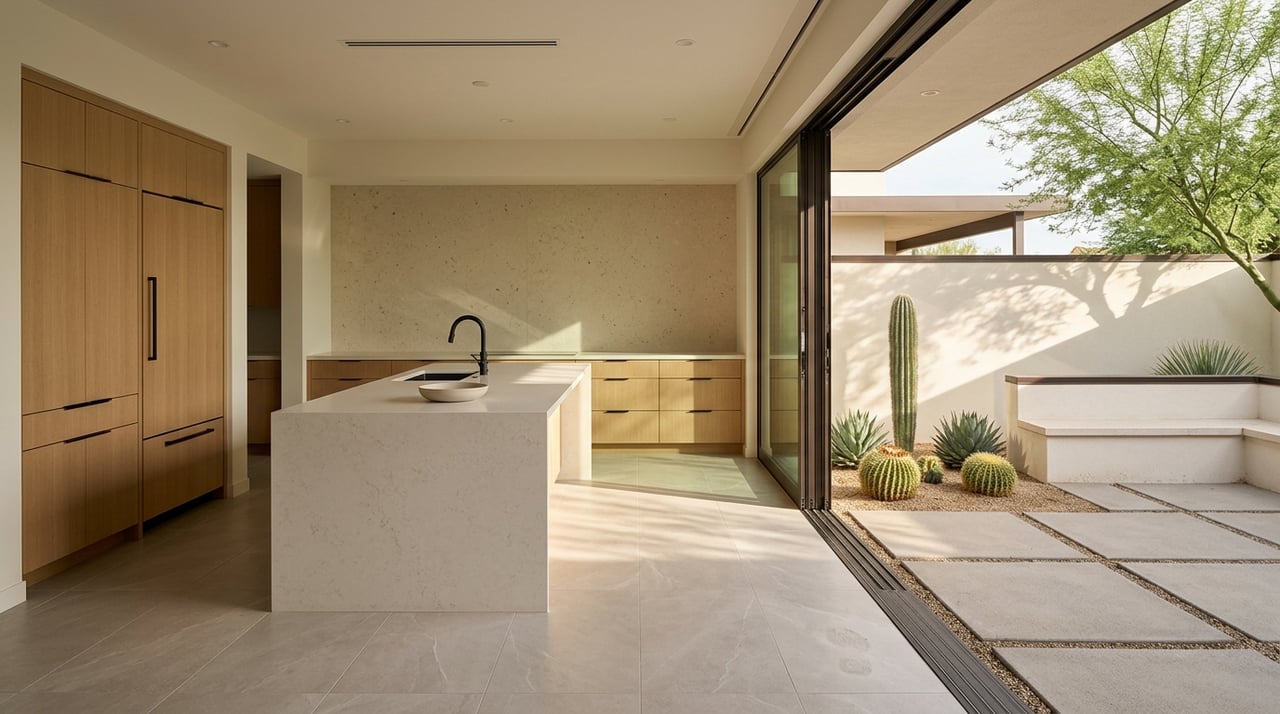
Buying a brand-new home in Gilbert can feel like the best of both worlds: you get modern finishes, energy-efficient features, and that fresh-start feeling. But new construction is not always as simple as picking a floor plan and waiting for move-in day. If you want to make a smart decision, you need to look beyond the model home and understand the documents, timelines, community rules, and future development around you. Let’s dive in.
Start With Gilbert’s Bigger Picture
In Gilbert, new construction is often tied to larger master-planned growth. The town’s General Plan guides future housing, transportation, open space, community design, preservation, and water resources, which means your buying decision may be shaped by what is planned around the home just as much as the home itself.
Gilbert also states that its water resources are planned for build-out demands and that it has prepared for 100 years of supply for current and future customers. For you as a buyer, that makes it especially important to pay attention to utility providers, HOA structures, future land use, and amenity plans when comparing communities.
Review the Arizona Public Report First
One of the most important steps in an Arizona new-construction purchase is reviewing the Public Report. The Arizona Department of Real Estate says this report must be provided before you sign a purchase contract on a new home in a subdivision.
This document can help you understand the details that are easy to miss during a sales-office visit. According to ADRE, the report may include:
- Flooding and drainage disclosure
- Adjacent land uses
- Utility providers
- Common facilities
- Completion assurances
- Local services
- Taxes and assessments
- HOA details
ADRE also warns buyers to verify all facts before signing anything. That matters in Gilbert, where nearby parcels in developing or vacant areas can still change over time.
Read the Contract Carefully
A new-construction contract is different from a typical resale purchase. ADRE advises buyers to read the purchase contract carefully, including where earnest money is held.
If earnest money is not placed in escrow, ADRE says the purchaser must initial a separate paragraph in the contract. That is a small detail with big importance, especially when you are committing funds early in the process.
Look Beyond the House Itself
When you buy in a developing area, the house is only part of the story. ADRE recommends checking zoning maps for nearby parcels, asking about future roads, confirming school district details, reviewing CC&Rs, and looking up the builder with the Arizona Registrar of Contractors.
In Gilbert, this is especially relevant in master-planned communities where future phases may still be under development. A peaceful edge lot today could sit near future roads, more homes, or new amenities tomorrow.
Understand Deposits and Closing Costs
Builder purchases often come with an upfront deposit, sometimes called earnest money. The Consumer Financial Protection Bureau says builders may ask for this early in the process.
CFPB also notes that you do not have to use the builder’s affiliated lender. That gives you room to compare financing options and weigh whether any builder incentive is truly beneficial.
Closing costs are another item to plan for early. CFPB says typical closing costs often run about 2% to 5% of the purchase price, before your down payment.
Prepare for a Different Timeline
Many buyers assume new construction gives them more control and a smoother path to closing. In reality, timing can be one of the biggest differences between a new build and a resale home.
The National Association of Realtors says custom-home construction often includes a design phase lasting three to six months, followed by construction that often lasts at least 12 to 16 months. Delays are possible, so it helps to build flexibility into your plans.
Not every new home takes that long. NAR also notes that stock plans and spec homes can shorten the timeline and may still allow some selections if the home is early enough in the build.
Expect Design-Center Decisions
If you have only bought resale homes before, the design process may feel new. Some builders direct buyers to a design studio to choose items like flooring, countertops, cabinets, lighting, and appliances.
A Gilbert example is KB Home’s East Valley Design Studio, where buyers make many of these finish selections. That means your final budget may shift depending on what is included as standard and what counts as an upgrade.
Compare Standard Features and Upgrades
One of the easiest ways to go over budget in new construction is assuming the model home reflects the base price. In many communities, the model showcases upgraded finishes, added fixtures, and premium design packages.
As you compare builders, ask for a clear breakdown of what is standard versus optional. This helps you evaluate the true cost of each home instead of comparing base prices alone.
Ask About Builder Incentives Early
Builder incentives are a major part of today’s new-construction market. NAR reported that 60% of homebuilders surveyed in March offered some form of sales incentive.
Common offers include closing-cost assistance, rate buydowns, and flex dollars for upgrades. Realtor.com also notes that some incentives are not advertised and that many are tied to the builder’s preferred lender, so it is smart to ask early and read the fine print.
An incentive can be valuable, but only if it fits your overall financing and budget goals. A lower rate, upgrade credit, or closing-cost help may sound great, but you still want to compare the full picture.
Know Who Represents You
A new-home sales office can be welcoming and helpful, but it is important to understand representation. NAR’s agency guidance says the seller’s representative works for the seller, while the buyer’s representative works in the buyer’s best interest.
CFPB also advises buyers to ask who the agent represents and how the agent is compensated. In new construction, that distinction matters because the on-site sales team is focused on the builder’s side of the deal.
NAR found that 61% of new-home buyers used a real estate agent or broker because they wanted representation in the buying process. That support can be especially useful when you are comparing builders, evaluating upgrades, reviewing incentives, and staying on track with inspections and timing.
Why New Construction Needs Close Coordination
Buying from a blueprint or a partially completed home adds layers you do not always see in resale. NAR says new-home sales can involve permitting, deposits, design selections, inspections, and walk-through decisions throughout the process.
Timing is often the practical challenge. A builder may have a preferred close date, a deposit schedule, and an incentive deadline, so keeping financing, inspections, and construction milestones aligned becomes a key part of the transaction.
Gilbert Communities Show What Matters
Gilbert gives buyers a wide range of master-planned options, and those options can look very different from one another. That is why comparing only price per square foot rarely tells the full story.
Town documents show Waterston Central at roughly 143 acres and 468 lots, while Waterston North was described at roughly 480 acres and master-planned as an HOA-controlled, gated community. A current builder page for Waterston Central says it now brings together six communities with connected lakes and shared amenities.
Warner Meadows offers another point of comparison. Town documents show about 94.18 acres and 476 home lots, while the community includes townhomes and multiple single-family collections with amenities such as a pool, outdoor kitchen, fire pit, and playground.
Town records also show an airport disclosure for Warner Meadows because of its proximity to Phoenix-Mesa Gateway Airport. That is the kind of location detail worth understanding before you buy.
Belrose is another gated master plan in Gilbert. Town materials show 289 total lots, and builder materials describe amenities such as a ramada, fireplace, playgrounds, ping pong, bag toss, BBQs, and a half-court basketball area.
Layton Lakes remains an established Gilbert comparison. Town records describe it as 460 acres and 1,300 units, with parks, lakes, trails, and open space, and a later phase added 75 homes at Queen Creek and Lindsay.
Morrison Ranch is one of Gilbert’s signature master-planned comparators. The Town of Gilbert said the community spans about 2,000 acres and roughly 6,000 living units, with reclaimed water supporting its signature open-space look and agricultural character.
What To Compare in Gilbert Communities
When you tour new construction in Gilbert, it helps to compare each community through the same lens. A polished model home can make every option look appealing, so structure matters.
Focus on practical items like:
- Lot size and orientation
- HOA structure and rules
- Future phases nearby
- Included features versus upgrades
- Utility providers
- Amenities and shared spaces
- Road access and planned transportation changes
- Taxes and assessments
These details often shape your day-to-day experience just as much as the floor plan or kitchen finishes.
A Smart Buying Approach
The best way to buy new construction in Gilbert is to stay curious, ask direct questions, and review every document carefully. You want to understand the home, the community, the contract, and the long-term setting around the property.
That kind of preparation can help you avoid surprises and feel more confident in your decision. If you want guidance comparing builders, communities, timelines, and incentives across Gilbert and the Phoenix metro, Hoyt Homes Group is here to help.
FAQs
What should you review before buying new construction in Gilbert?
- You should review the Arizona Public Report, purchase contract, HOA documents, CC&Rs, nearby zoning, future road plans, utility information, taxes, assessments, and any disclosures tied to the community.
What does the Arizona Public Report include for a Gilbert new home?
- According to the Arizona Department of Real Estate, the Public Report may include flooding and drainage disclosure, adjacent land uses, utility providers, common facilities, completion assurances, local services, taxes and assessments, and HOA details.
What are common extra costs when buying a new construction home in Gilbert?
- Common extra costs can include the builder deposit, closing costs that CFPB says often run about 2% to 5% of the purchase price before the down payment, and upgrade costs for finishes and design selections.
How long can new construction take in Gilbert?
- Timeline depends on the home type, but NAR says custom-home construction often includes a three- to six-month design phase and construction that often lasts at least 12 to 16 months, with possible delays.
What should you ask about builder incentives in Gilbert?
- You should ask whether incentives include closing-cost help, rate buydowns, or flex dollars for upgrades, whether they require using a preferred lender, and what deadlines or conditions apply.
Why does buyer representation matter for Gilbert new construction?
- Buyer representation matters because the on-site sales team represents the builder, while a buyer’s representative works in your best interest when comparing builders, reviewing upgrades, and keeping the transaction aligned with financing and construction timing.
What should you compare between Gilbert master-planned communities?
- You should compare lot size, HOA rules, future phases, amenities, utility providers, included features, road access, taxes, assessments, and any location-specific disclosures that could affect your ownership experience.